

Service Delivery Options
Telehealth Services
Janine provides Telehealth services to those over 16yrs of age. This is due to the request of many neurodivergent people who prefer to utilise this method to support their access needs.
Occupational Therapy Supervision
Janine supports new graduates and experienced Occupational Therapists with both one off and ongoing supervision and mentoring. She provides supervision specific to supporting neurodivergent adults, and the unique needs of those who are late diagnosed.
Janine started the OTA Neurodivergent Affirming Occupational Therapy group in 2022, with the aim to support neurodivergent OTs and to also expand the profession’s understanding around neurodivergent affirming practice. She continues to be an active member of this team.
Employment and Training Consultancy
Janine has extensive experience across many industries and can provide employers with employee training around neuro-affirming practices, as well as individualised advice around neurodivergent specific work accommodations. Janine has extensive training experience across many domains and has presented to large and small organisations and at conferences.
Assessment and Treatment Services
Janine celebrates the neurodivergent brain, the strengths, the wonders, the uniqueness, and the validity of a neurodivergent approach to life.
Many challenges faced by neurodivergent individuals are related to the environment around them or cultural and social expectations.
Treatment services need to understand how this impacts the neurodivergent brain, to ensure services are affirming and not “trying to create a neurotypical brain response”.
It is from this understanding that Janine approaches all treatment modalities.
An Occupational Therapist focuses on promoting health and wellbeing in a very practical way by enabling people to identify and implement strategies that enable them to participate in everyday occupations of life.
These everyday occupations might include:
- Personal Care (showering, dressing, grooming, toileting etc)
- Self-Management Tasks (cleaning, laundry, cooking, budgeting etc.)
- Community Engagement (shopping, going out, banking etc.)
- Education and Work (Paid employment, volunteering, school, TAFE, Uni etc.)
- Leisure Activities.
Additionally, an Occupational Therapist might help you to work on skills that are components of or that influence the above occupations.
This might include:
Sensory Input and Processing
Understanding how your body interprets sensory input – sound, touch, smell, taste, sight, proprioception, vestibular input, and interoception. This also involves understanding your environment, design of your environment, and use of equipment.
- Sensations can be interpreted in extremely different ways. Do you seek, avoid, don’t register, or are sensitive to certain sensory input?
- How we interpret and understand this sensory input leads to our ability to self-regulate our body, emotions and behaviour. It is suggested that around 50% of autistic people have difficulty identifying their emotional state and understanding body signals. This can mean that body signals may not be realized until they are so intense that they result in a stress reaction or “breaking point”. This can contribute to challenges self-regulating, managing anxiety and other emotions, and can contribute to mental health and wellbeing.
Gross and Fine Motor Skills
Including skill development such as:
- Functional grasps
- Assistance with developmental coordination disorder challenges (previously called dyspraxia)
- Handwriting skills, including assistance with dysgraphia, and school / university modifications and adaptations
- Visual-spatial skills and the link with motor coordination
Executive Functioning
This included things like:
- Working memory
- Organization skills
- Task initiation
- Planning and prioritizing
- Self-monitoring
- Impulse control
- Flexible thinking
- Emotional control
Social Interaction and Strategies
Janine’s approach to social skill development is not based on the “traditional social skills training” where a person is taught how to respond in a neurotypical way. This is due to the extensive energy it takes to practice and sustain these strategies. This is commonly called “masking”.
Masking can be a conscious or unconscious suppression of a person’s natural autistic responses. This strategy is thought to be linked to a “protection mechanism”, based on cultural social expectation and prejudice. Masking in autistic people appears to be more than just “pretending to be normal” and can have negative outcomes for autistic people including late diagnosis, mental health issues, exhaustion, and burnout.
Janine’s approach starts with understanding the concept of “masking”, how it may be used and the risks we are now understanding around this. Her approach is to help you gain understanding of the social situation and the physical environment, and consider the many possible options available to you that could be used in these situations. Neurotypical social expectations are discussed as only one type of social interaction, and how the neurodivergent approach to interactions and relationships is equally valid. Janine enables the individual to work out which options they feel comfortable with. This enables them to thrive in their choice while being safe and authentic to who they are. Self-advocacy, self-acceptance and choice are part of this approach.
Mental and Emotional Health
Many autistic individuals have mental health diagnoses, such as anxiety. Autistic and neurodivergent traits, coupled with these mental health diagnoses can impact upon a person’s ability to function in day-to-day tasks. Through the above strategies, mental health and wellbeing is covered in collaboration with the practical occupational based activities and structure.
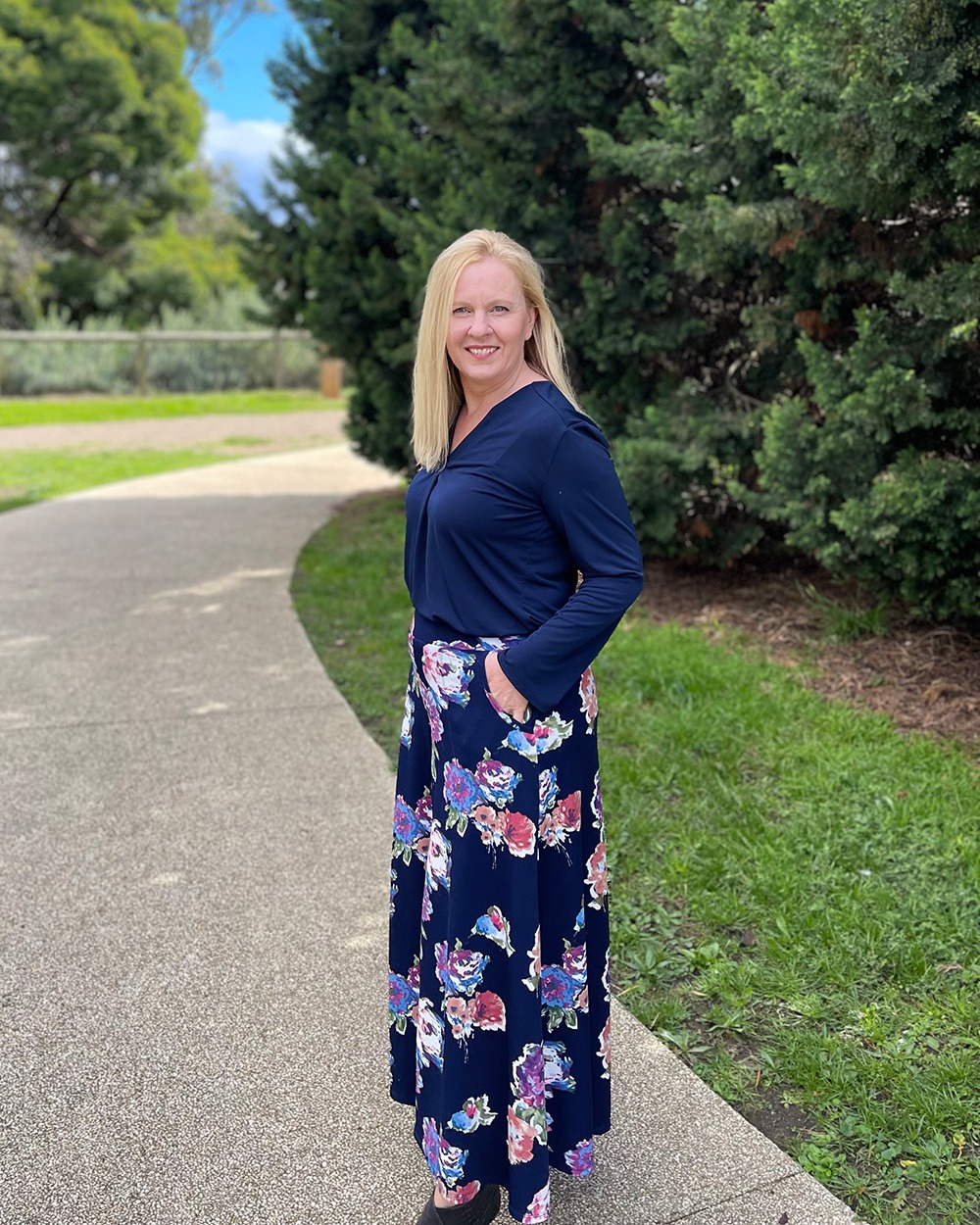
Janine’s role is to work with you, support you, and empower you to understand yourself better, help you to determine strategies that suit you, and enable you to make choices around how you want to live your life.